What Counts as a Superstition?
Superstition isn’t just about walking under ladders or breaking mirrors. At its core, it’s the belief that certain actions or objects can influence outcomes in mysterious, invisible ways. It’s less about logic and more about hope, routine, and sometimes, fear. You can’t measure it, but people swear by it.
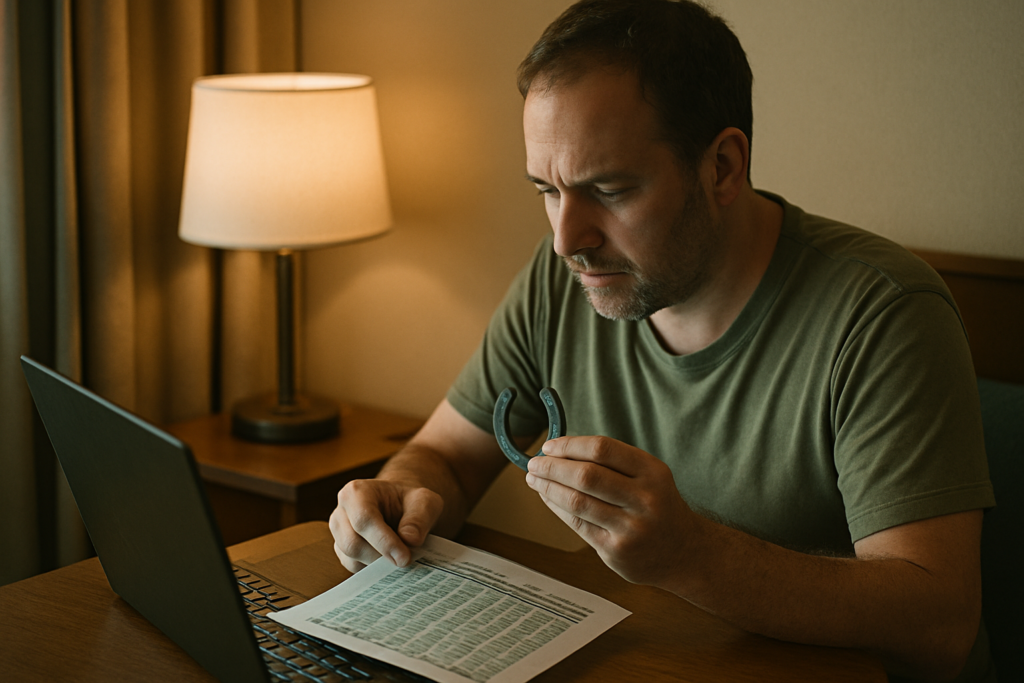
Across cultures, superstitions take on thousands of forms. There are red strings tied around wrists in parts of Asia to ward off bad luck, coins under pillows in Latin America for a better financial year, or the carefully folded origami crane promised to bring peace or healing. In the West, it’s more about lucky socks, birthday candles, and horseshoes above doors. The forms vary, but the goal is the same stack the odds in your favor, even when it makes no rational sense.
Even people who roll their eyes at horoscopes tend to have their own little rituals: knocking on wood, not changing socks during a winning streak, or holding onto a trinket from someone important. Call it habit, comfort, or just insurance against the unknown it’s still superstition, even when it feels harmless.
The Psychology Behind Rituals
Humans hate uncertainty. We crave patterns, even where none exist. When things feel out of control bad luck, shaky outcomes, unpredictable results the brain flips into pattern seeking mode. It stitches together coincidences and draws connections that aren’t always logical. Wear the same socks to every job interview and land two offers? That suddenly feels like cause and effect, not chance.
It’s not about being irrational. It’s about comfort. Doing something anything feels better than sitting with unpredictability. A lucky charm or pre game ritual isn’t about changing the outcome. It’s about calming the chaos between your ears. The sense that you’ve “done your part” matters more than whether it actually worked.
That’s where superstition slides into emotional regulation. Rituals can soothe anxiety, build focus, and serve as psychological anchors. You’re not just crossing your fingers you’re grounding your nerves, giving structure to an otherwise shapeless moment. Whether it’s tossing salt over your shoulder or knocking on wood, these behaviors are less about magic and more about managing stress in uncertain situations.
Where We See Superstition in Action

Superstition isn’t tucked away in old legends it’s alive in gyms, living rooms, and casinos.
In sports, it’s practically part of the uniform. Lucky socks, untouched rituals, and pre game meals that haven’t changed in years it’s all about control in a high pressure setting. Athletes don’t care if it defies logic; if it keeps the routine tight and the nerves calm, it stays.
In day to day life, simple habits sneak in. Knocking on wood. Crossing your fingers before a job interview. Most people don’t fully believe these gestures hold power, but that little flick of superstition often feels better than doing nothing. It’s habit blended with hope.
And then there’s gambling the pressure cooker for superstition. When money gets involved, rituals spike. Players sit in specific seats, blow on dice, wear the same “lucky” shirt to the casino. When outcomes feel out of reach, people grip whatever gives them a sense of control, even if it’s just a rabbit’s foot or a routine. The higher the stakes, the deeper the ritual.
To explore this deeper, check out superstition in gambling.
Luck, Chance, and the Illusion of Control
We like to think we’re in control. But when it comes to luck and chance, science tells a different story. Most events coin flips, slot machines, lottery picks are governed by probability, not personal effort. Yet our brains hate randomness. They crave structure, patterns, outcomes we can influence.
That tension creates a mental trap. We start assigning meaning to what’s really just chance. Did your number come up twice this week? Feels personal. Lost five hands in a row? Must be due for a win. That’s where the gambler’s fallacy kicks in this flawed belief that after a string of losses (or wins), the opposite result is “bound” to happen. It’s a common mental shortcut, and it’s wrong. Each new outcome is still random, no matter what came before it.
These distortions make luck feel like it’s responding to us, when in reality, randomness doesn’t care. Understanding the science won’t kill the thrill, but it might help you keep your expectations in check the next time you roll the dice.
Are Superstitions Harmful or Helpful?
Superstitions aren’t always irrational burdens they can actually help. In high pressure moments, a quick ritual or charm can settle the nerves, boost confidence, and give someone just enough belief to perform better. Whether it’s an athlete touching a lucky object or someone tossing salt over their shoulder before a big meeting, the feeling of control even if it’s symbolic can reduce stress and keep focus sharp.
But there’s a line. When rituals shift from helpful to unbreakable rules, problems creep in. If not wearing the “right” socks ruins your day or you can’t make a move without consulting a charm or pattern it’s no longer support; it’s a crutch. These habits can rigidly shape behavior, turning into dependencies that block flexibility and clear decision making.
The key lies in intention. When the ritual is a boost, it works. When it becomes a requirement, it rules you. For more on how these behaviors play out in high stakes environments, especially gambling, check out this deeper dive: superstition in gambling.
Why We Still Believe
People don’t cling to superstitions because they make sense. They cling because they feel right. In moments of uncertainty, when logic fails to comfort and control feels out of reach, habit steps in. You throw salt over your shoulder or wear the same shirt before a big meeting not because it’s rational, but because it connects you to something familiar, something grounding.
Traditions passed down through families or cultures aren’t always questioned. They hold emotional weight, stitched into memory and identity. Whether it’s lighting candles a certain way or tapping a doorway before leaving, these acts offer more than luck they offer continuity.
We’re wired to look for patterns, even where none exist. It’s how we’ve made sense of a chaotic world for millennia. Superstitions don’t promise certainty; they promise meaning. And in an age that’s increasingly optimized, calculated, and digital, rituals give people a deeply human way to feel in control and understood.
 Founder of Key Gamble Lucky, Erniest Adkinseler is dedicated to providing in-depth gambling news, debunking common myths, exploring the dynamics between luck and skill-based games, analyzing the psychology of luck, and offering the latest legal updates in the gambling industry. With a deep passion for unraveling the complexities of gambling, Erniest strives to create a platform that educates and empowers players. Through insightful analysis and expert commentary, Erniest aims to equip readers with the knowledge and confidence they need to make informed decisions and navigate the world of gambling more responsibly.