Why the Mix Matters
Games that blend strategy and luck hit a different nerve. Too much luck, and players feel powerless. Too much strategy, and the game becomes homework. But the right balance? That’s when it gets addictive. Hybrid games challenge your mind while keeping the outcomes unpredictable. One smart move can shift the momentum but a lucky roll can flip the script. That tension is what keeps people coming back.
This balance pulls in two crowds: the competitors who want to outthink the table, and the casual players hoping for a moment of fortune. Poker is a perfect example you need skill to read the room, but no one’s above the deck. Same with something like backgammon: every move matters, but the dice still have their say.
Mastering both angles makes you a serious contender. Understanding odds, reading patterns, and fine tuning your gameplay gives you long term leverage. At the same time, being comfortable with randomness means you don’t tilt when the game turns. Success and enjoyment both rise when you play with awareness and let the game breathe without trying to control every outcome.
Signature Games That Balance Skill and Luck
Some games lean all in on skill. Others rely on pure chance. But the most engaging ones and often the most rewarding live in the middle. Here are four that blend both worlds with style.
Poker: reading people meets probability
Poker is the classic hybrid. It’s math on one hand, psychology on the other. You’re calculating odds and pot equity while trying to read what’s behind someone’s blank stare or twitchy check. Over time, skill dominates especially in games like Texas Hold’em because savvy players learn to manage risk, bluff effectively, and adapt their play based on opponents. But short term luck still takes the wheel now and then, keeping things unpredictable.
Blackjack: strategic risk under shifting odds
In blackjack, the house always starts with an edge but it can shrink fast when players use proper strategy. You’re counting cards (if you dare), tracking what’s been played, and adjusting moves hit, stand, double down based on probability. It’s not flashy, but it’s steady. Yet even the best prep can’t stop a cold streak. That’s the dance: calculated risk versus random draw.
Backgammon: calculated movement with dice influence
It’s old school, but backgammon earns its spot. Your decisions where to move, when to stack, how to block shape the game. But those dice? They’re wild cards. Winning here means knowing what to do with what you’re dealt, and setting traps that hold up against variable outcomes. Strategic planning matters, but flexibility is just as critical.
Sports Betting: statistical insight meets unpredictable outcomes
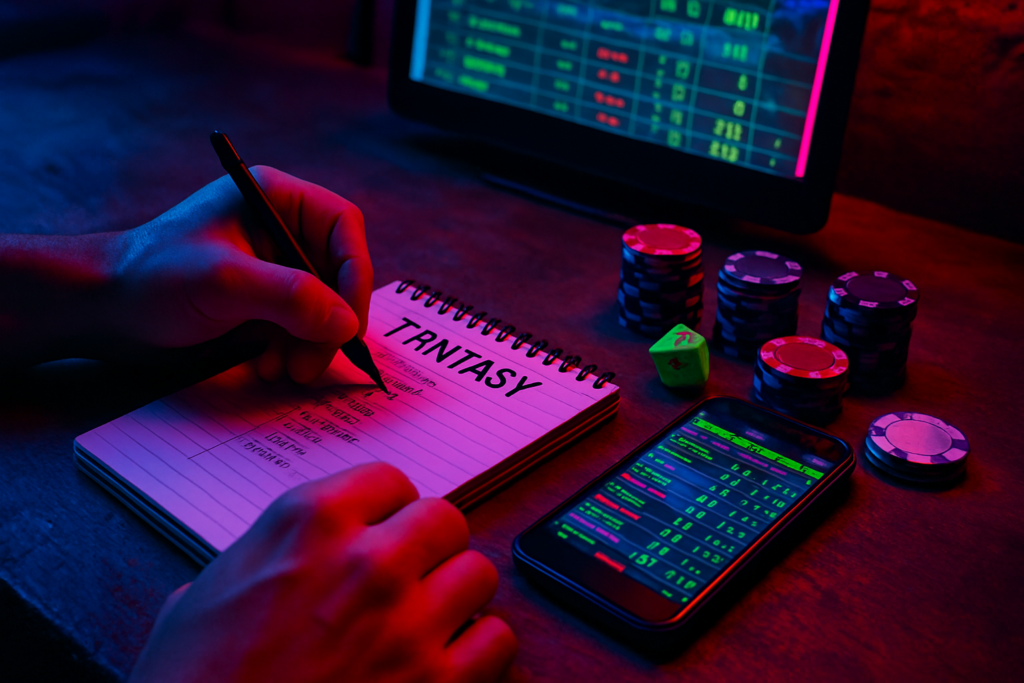
Big data meets gut instinct. Successful sports bettors know how to run the numbers: team stats, injury reports, historical trends. Yet no algorithm can perfectly predict a franchise QB spraining his ankle during warm ups. That’s where the thrill lives in making smart bets while accepting the chaos. If you treat it like investing instead of guessing, the edge gets sharper.
(Explore more: games of skill and luck)
Casino Hybrids Worth Knowing

Some casino games walk the line between chance and choice give them respect, and they’ll show you depth beneath the surface.
Roulette isn’t just about spinning a wheel and hoping for the best. Patterns matter. Smart players lean into betting systems like the Martingale or Paroli not as magic, but as structure. Combine this discipline with tight bankroll control and suddenly roulette shifts from pure gamble to controlled risk. You’re not beating the wheel, but you’re surviving longer and playing smarter.
Craps feels chaotic, but behind the noise is serious decision making. Knowing which bets carry the lowest house edge (hint: stick with pass line and odds) is step one. Step two? Reading the table. Momentum, player behavior, and bet timing all play a role. This is a game where blending gut and odds pays off assuming you keep your emotions in check.
Baccarat looks simple, but it’s deceptive. It’s mostly passive on the surface banker or player? but regulars know the real game is mental. Tracking streaks, managing tilt, and sizing bets with surgical calm creates edges over time. The advantage is slim, but in a game of low volatility, psychology becomes the hidden lever.
(For more on balancing chance with strategy, check out the related read.)
Strategies for Skill Luck Players
When playing games that blend skill and luck, having a solid strategy is just as important as accepting the role of chance. Success often lies in your mindset and habits just as much as in your next move.
Know Your Odds, But Bet Like a Realist
Understanding the math behind the game gives you an edge but it doesn’t guarantee a win. Use probability to guide your approach, not to build unrealistic expectations.
Learn the actual odds of the games you play
Don’t chase ideal outcomes play with discipline
Balance risk with long term sustainability
Track Patterns Without Falling Into Superstition
Patterns and trends can offer insight but only to a point. Many players fall into the trap of assigning meaning to random streaks.
Review long term performance, not emotional hot streaks
Use data, not gut feelings, to adjust your strategy
Spot tendencies but don’t rely on them blindly
Train Your Instincts: Practice Sharpens Execution
The more you play, the sharper your decision making becomes. Intuition in mixed skill games isn’t guesswork it’s accumulated experience.
Play consistently to develop strong situational judgment
Review past plays to learn from wins and mistakes
Seek feedback or coaching when possible to improve faster
Accept Variance Short Term Loss Doesn’t Mean Long Term Failure
Variance is built into every game of chance. Smart players respect it and manage emotions accordingly.
Understand losing streaks are inevitable even with good play
Focus on strategy over short term results
Stay disciplined and avoid emotional tilt
Mastering skill luck games means balancing preparation with flexibility. It’s not about beating the odds every time, but about increasing your edge over time by playing smarter and staying grounded.
Final Take: Play the Game, Don’t Let It Play You
Skill isn’t everything but it sure helps. In hybrid games, where chance is part of the DNA, having skill means you’re not just rolling the dice and hoping for the best. It gives you leverage. It’s how you recognize a good bet, when to hold or fold, and when the odds are quietly tilting your way.
Luck still has a seat at the table. A hot streak can swing a session, and a bad beat reminds you you’re not fully in control. But the difference between a lucky player and a consistent one is preparation. The real winners walk in with a plan. They’ve studied the game, tested strategies, and made peace with risk.
This is why adaptability matters more than perfection. You adjust on the fly, read the flow, and stay sharp even when luck runs cold. Mixed games reward the thinker who can also roll with chaos. Know your tools, trust your gut, and respect the randomness. That’s how you play smarter, longer, and better.
 Gambling Industry Expert for Key Gamble Lucky, specializing in delivering up-to-date gambling news, effective betting strategies, and in-depth insights into various casino games. With years of experience and a profound understanding of the gambling industry, Irinalin’s expertise goes beyond just surface-level knowledge. They dive deep into the evolving trends, legal updates, and the psychological aspects of gambling. Through thoughtful analysis and research, Irinalin equips readers with practical tips, strategies, and the confidence needed to make informed decisions in the complex world of betting, whether they’re beginners or seasoned players.